Six Checkpoints Before a Roll Leaves the Factory
Inspection is not a final gate. Each checkpoint exists because a specific defect becomes far more expensive if it is discovered later — at the cutting table, or in a customer complaint.
- Written inspection standard
- D65 shade check
- Third-party inspection welcome
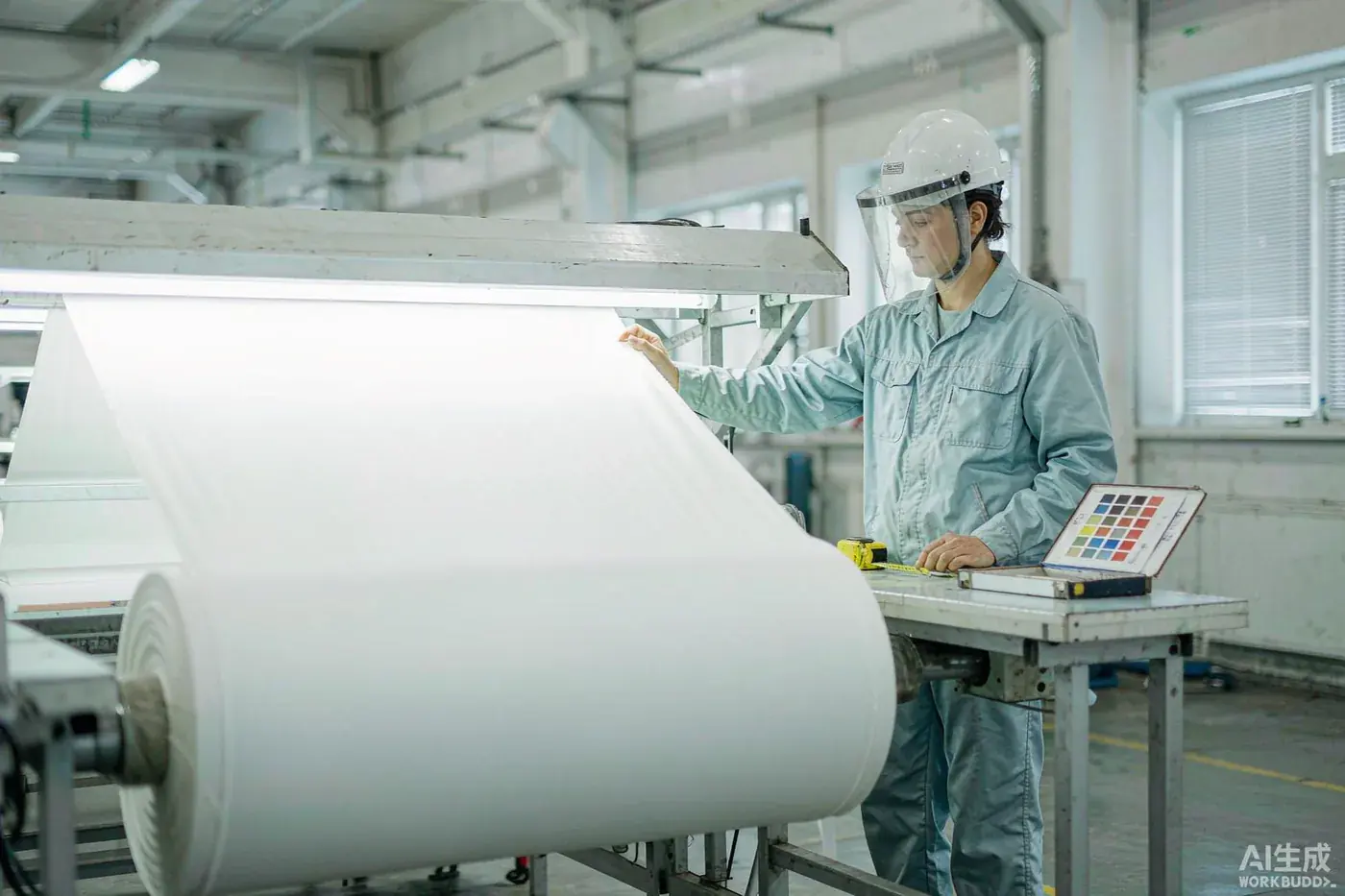
What is checked, and why there
The sequence is deliberate. Each check happens at the last moment when the problem can still be fixed without scrapping value.
01 · Greige inspection
Weight, width and construction verified against the spec sheet before dyeing or printing. A greige fault found here costs a roll; found later, it costs a batch.
02 · Lab dip / strike-off approval
Colour approved on the finished surface. Brushing and heat setting change the apparent shade, so approval on greige is meaningless.
03 · In-line shade control
Bulk shade compared with the retained standard at the dyeing line, so a drift is corrected while the batch is still running.
04 · Print registration check
Repeat, registration and colour depth checked on the first bulk roll — the point where a screen problem is still cheap to fix.
05 · Final roll inspection
Width, GSM, defects, handfeel and appearance checked against the approved standard; usable width measured and recorded.
06 · Packing and loading
Roll length, tube, labels, shipping marks and container loading verified before the seal.
The numbers on the spec sheet, and how they are verified
Every order is inspected against a written standard agreed before production. The standard states what is measured, the tolerance, and the sampling level — so "acceptable quality" is a defined term rather than an opinion at the loading dock.
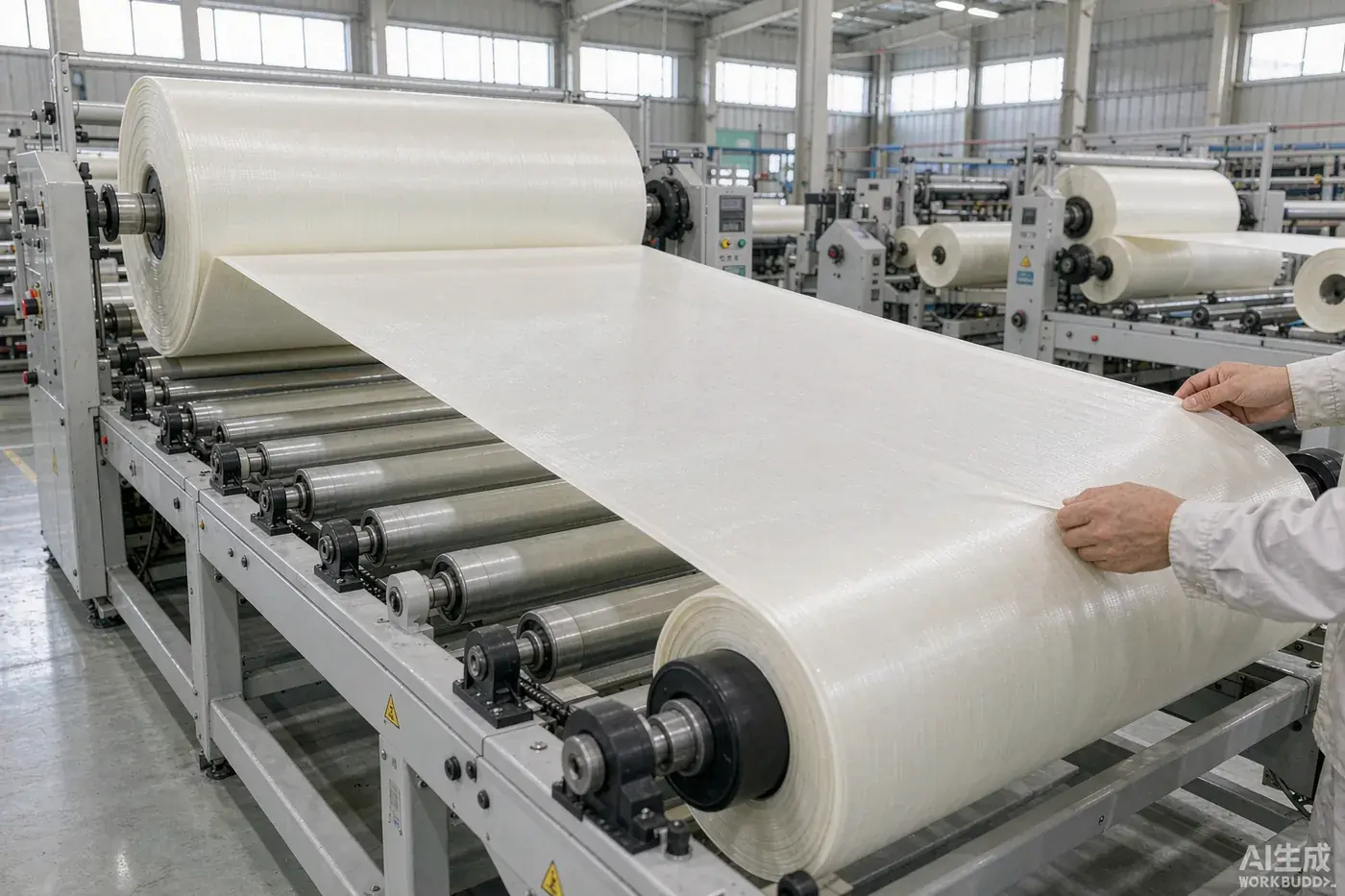
| Property | Method / standard |
|---|---|
| Weight (GSM) | Cut-and-weigh sample per roll; tolerance ±5% unless agreed otherwise |
| Width | Full width and usable width measured per roll and recorded |
| Colour fastness | Wash and light fastness tested per colour; report issued on request |
| Shrinkage | Measured after the specified wash cycle; values stated on the spec sheet |
| Pilling | Relevant for brushed fabric; test standard agreed at enquiry |
| Defects | Inspected against the agreed standard; 4-point system available if your customer requires it |
| Handfeel | Compared with the approved sample, by the same inspector where possible |
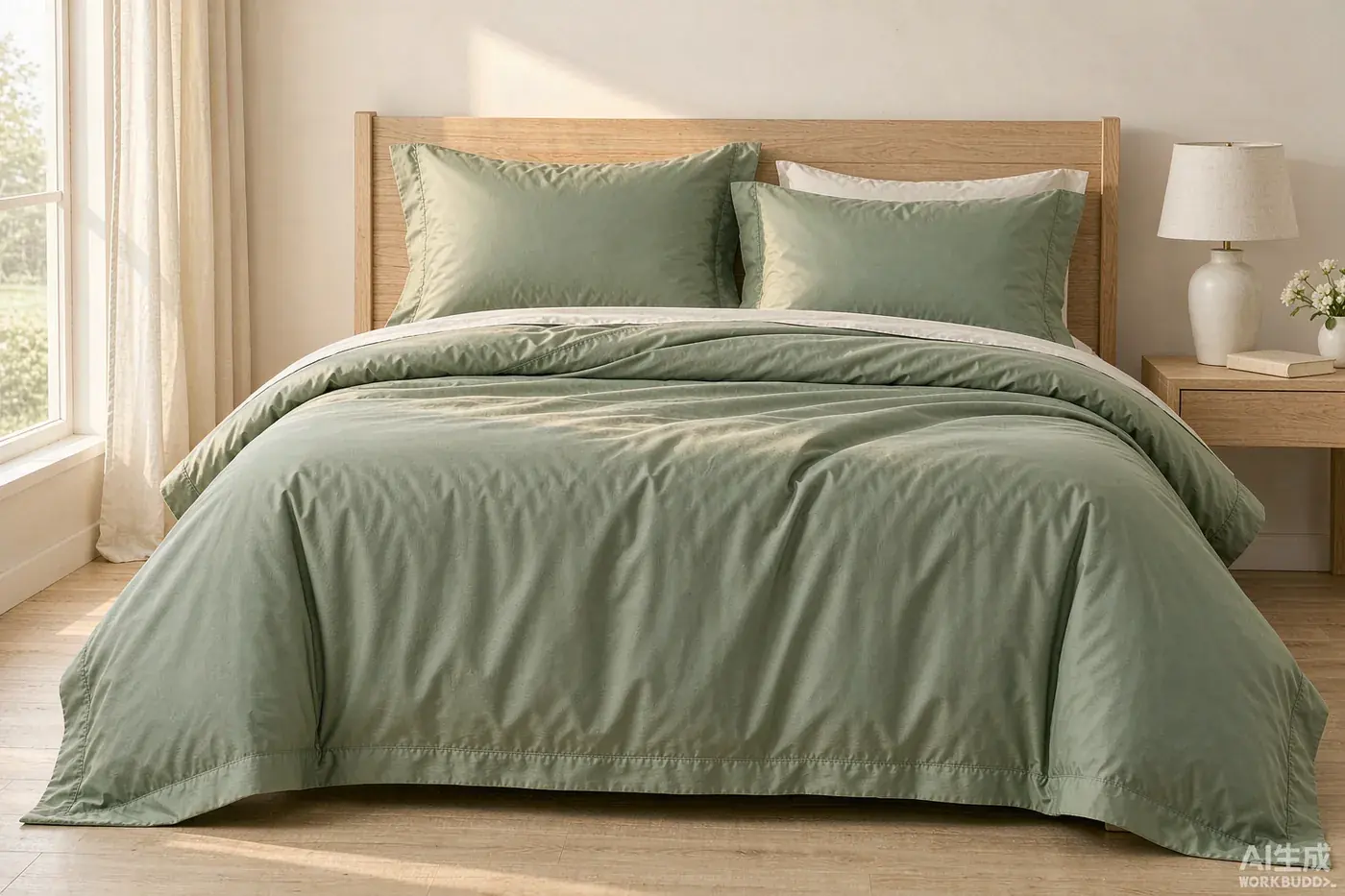
What happens if the bulk does not match the standard
The useful question is not whether a mill has a QC system — most do — but what it does when a result fails. Ours is a short sequence:
- Stop and quantifyThe affected rolls are held and measured, so the conversation is about metres, not impressions.
- Root cause before remedyGreige, dye bath, or finishing — the fix differs, and re-dyeing a greige problem wastes a batch.
- Written decisionRe-process, use for a lower grade with your agreement, or replace. You get the choice in writing, not a surprise in the container.