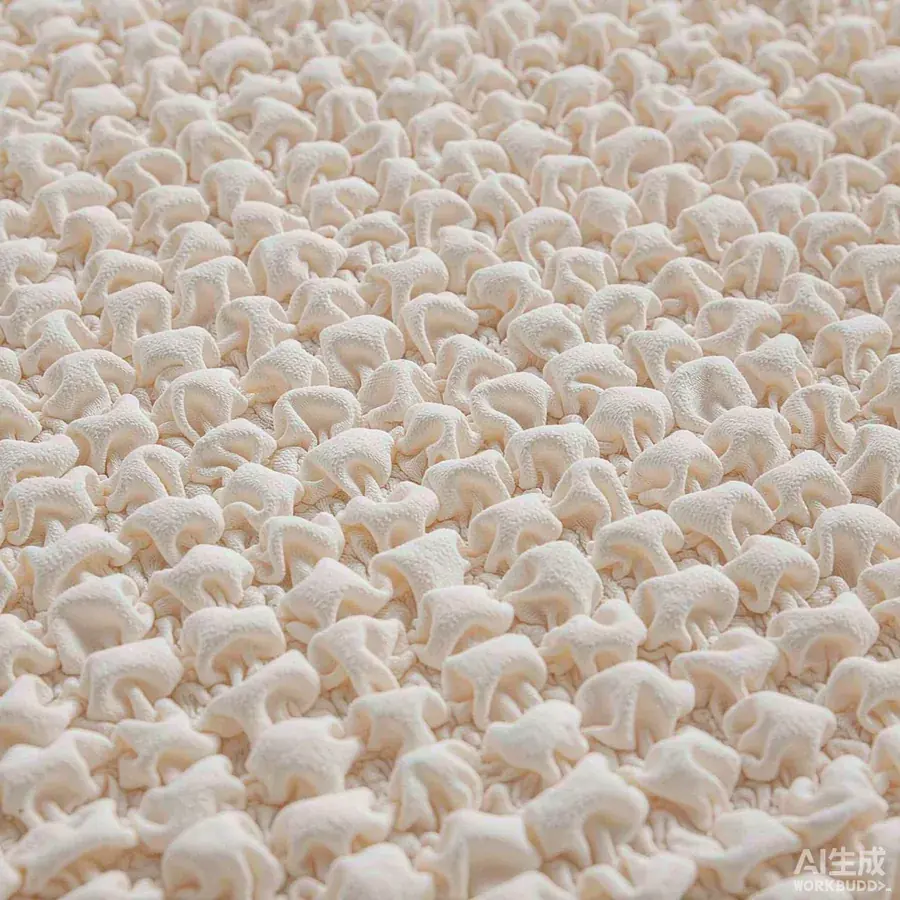
Brushed range
Brushed Peach Skin Fabric
Peach skin is created by brushing the surface of the fabric after dyeing, lifting fine fibres into a velvety nap.
View rangeTwo numbers decide most of what a bedding buyer cares about: GSM and width. Get them wrong on the purchase order and the fabric will either feel cheap in-store or cost more than the programme can carry.
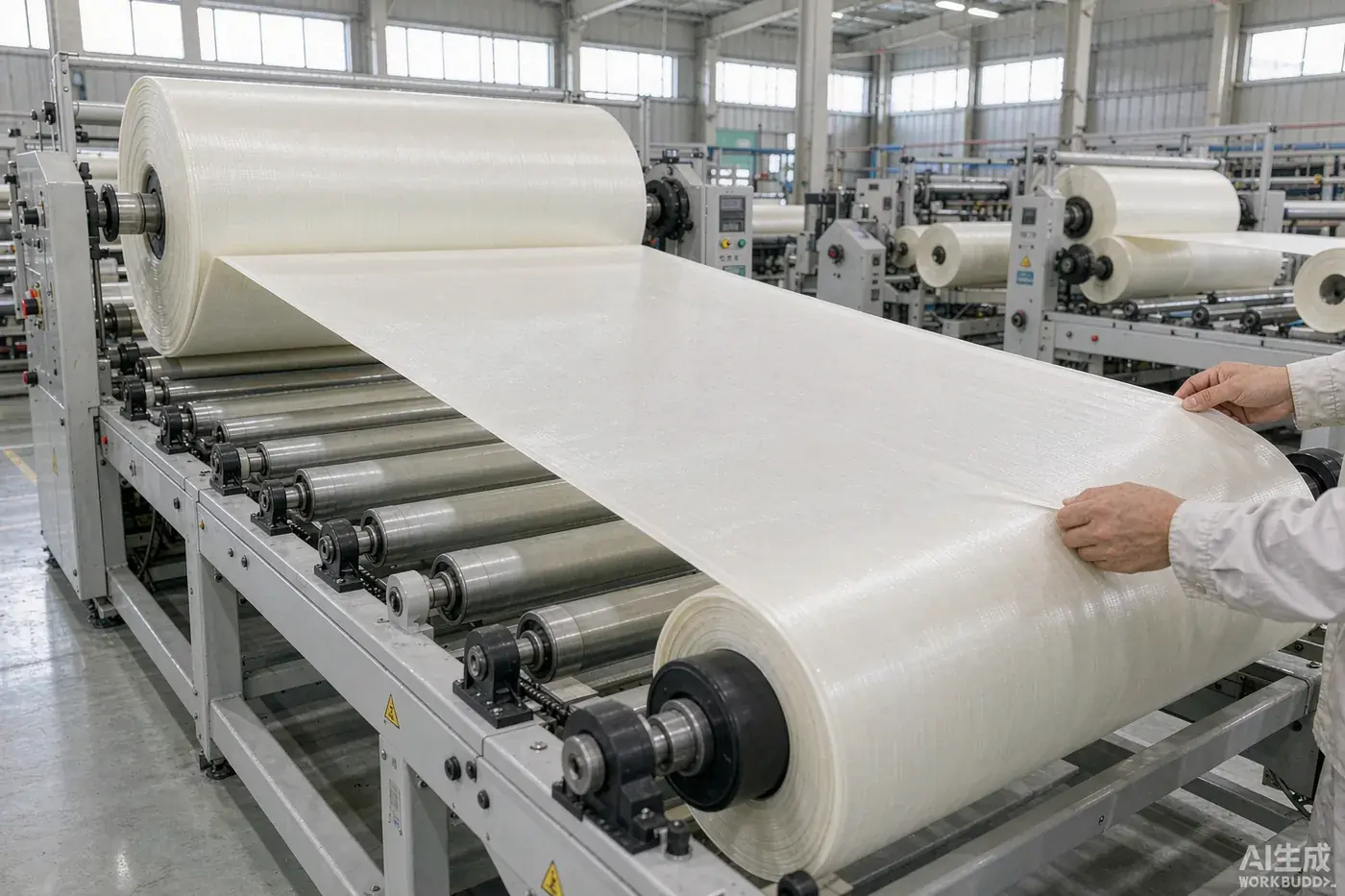
Most arguments about fabric quality between a buyer and a mill are really arguments about two specifications that were never written down precisely. This guide covers what each number actually controls, the ranges that work for common bedding products, and how to write them onto a purchase order so there is nothing left to interpret.
GSM is grams per square metre — the weight of the fabric, not its thickness and not its quality. A 90 gsm plain weave and a 90 gsm twill weigh the same but behave completely differently, because the yarn count and the weave density are different. This is why GSM alone is a weak specification: two mills can both quote 90 gsm and deliver fabric that looks and feels nothing alike.
When you specify fabric, pair GSM with three other values: composition, construction, and usable width. If a supplier quotes only GSM, ask for the construction and a physical sample before comparing price.
| Product | Typical GSM |
|---|---|
| Comforter / quilt shell | 65–85 gsm |
| Duvet cover | 80–100 gsm |
| Sheet set | 75–95 gsm |
| Pillowcase | 80–100 gsm |
| Brushed / peach skin bedding | 85–120 gsm |
| Cushion cover | 110–150 gsm |
| Bedspread / coverlet | 110–150 gsm |
| Curtain, retail | 100–130 gsm |
| Curtain, hotel project | 140–180 gsm |
These are starting points, not rules. A market that expects a heavy, substantial handle will push the upper end; a market competing on price will sit at the lower end. The mistake is to specify the lightest weight that passes and then wonder why returns mention "thin" and "see-through".
Full width includes the selvedge. Usable width is what remains after trimming, and it is the number your cutting room needs. The gap is usually 4–8 cm, and on a wide-width order that gap decides whether a king duvet cover can be cut without a side seam.
Always ask for both numbers in writing. Then check them against the finished panel dimensions rather than the fabric width — a 280 cm roll sounds generous until you find the usable width is 272 cm and your panel needs 274 cm.
| Full width | Cuts |
|---|---|
| 220 cm | Single/double duvet covers, standard flat sheets |
| 240 cm | Queen duvet covers, wide flat sheets |
| 250 cm | Queen/king covers with drop, bedspread panels |
| 280 cm | King and super-king covers with no side seam, full-height curtain panels |
GSM is close to linear in cost: 20% more weight is roughly 15–20% more yarn, so the fabric price moves with it. Width is less obvious. A 280 cm loom produces more square metres per hour than a 150 cm loom but consumes more weft, and wide looms are less common — so wide-width capacity is tighter around peak season and the premium is as much about availability as about material.
The counter-effect is downstream. A seam-free cover saves sewing labour, thread, and rework. On a 20,000-piece programme that saving frequently exceeds the width premium. Buyers who compare only the fabric price per metre miss this.
1. Copying a GSM from a competitor's product card. Product cards rarely state construction, so the number is not transferable. Send a physical sample instead and ask the mill to match weight and handle.
2. Specifying width but not usable width. This is the single most expensive mistake in bedding sourcing, because it is only discovered at the cutting table.
3. Leaving the tolerance open. "About 90 gsm" invites a shipment at 82 gsm that is technically compliant. Write the tolerance down.
If you are building a new programme and want a starting specification, send us the finished product dimensions and target market. We will come back with a construction, a GSM and a width that fit — and a sample in the production width so your cutting room can test the layout before you commit.
Peach skin is created by brushing the surface of the fabric after dyeing, lifting fine fibres into a velvety nap.
View rangeWide-width fabric is what makes a seam-free duvet cover possible.
View rangeSend the product you are working on and the numbers you are unsure about. Technical answers come from the team that runs the orders.