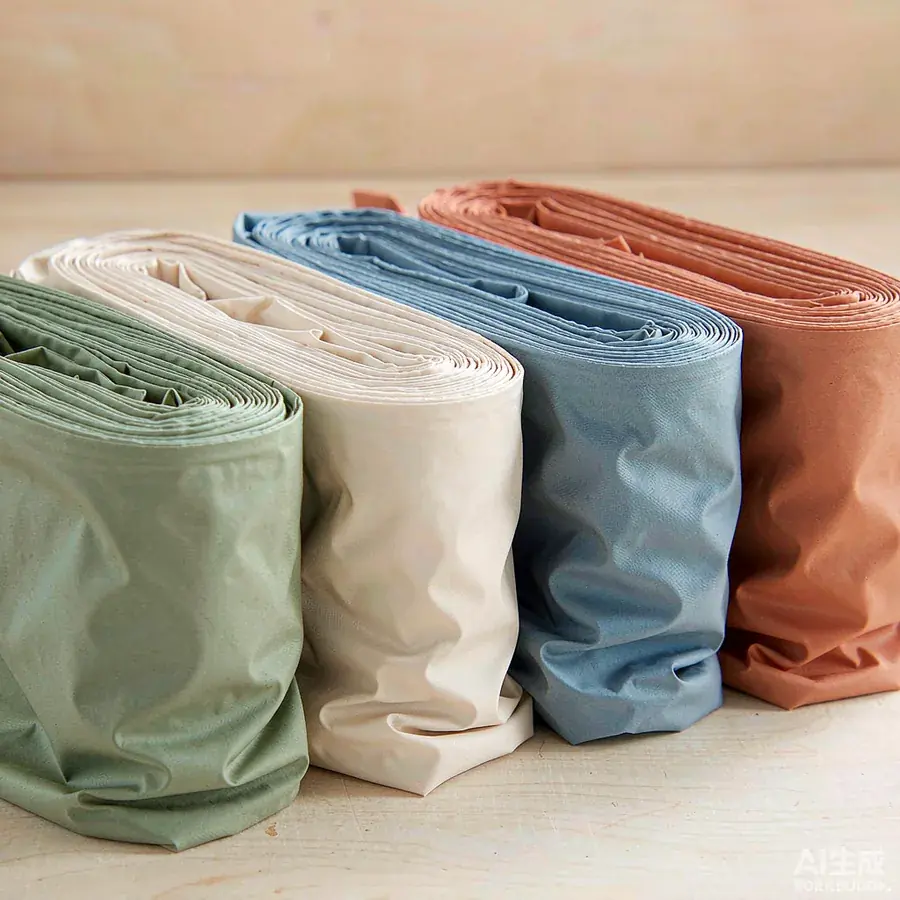
Dyed range
Dyed Polyester Fabric
Solid-colour polyester fabric dyed on our own lines, from 65 to 150 gsm.
View rangeIn a hotel, curtains are the largest single piece of fabric in the room and the one guests touch. Weight and width decide whether they hang cleanly for a decade or start to look tired in two years.
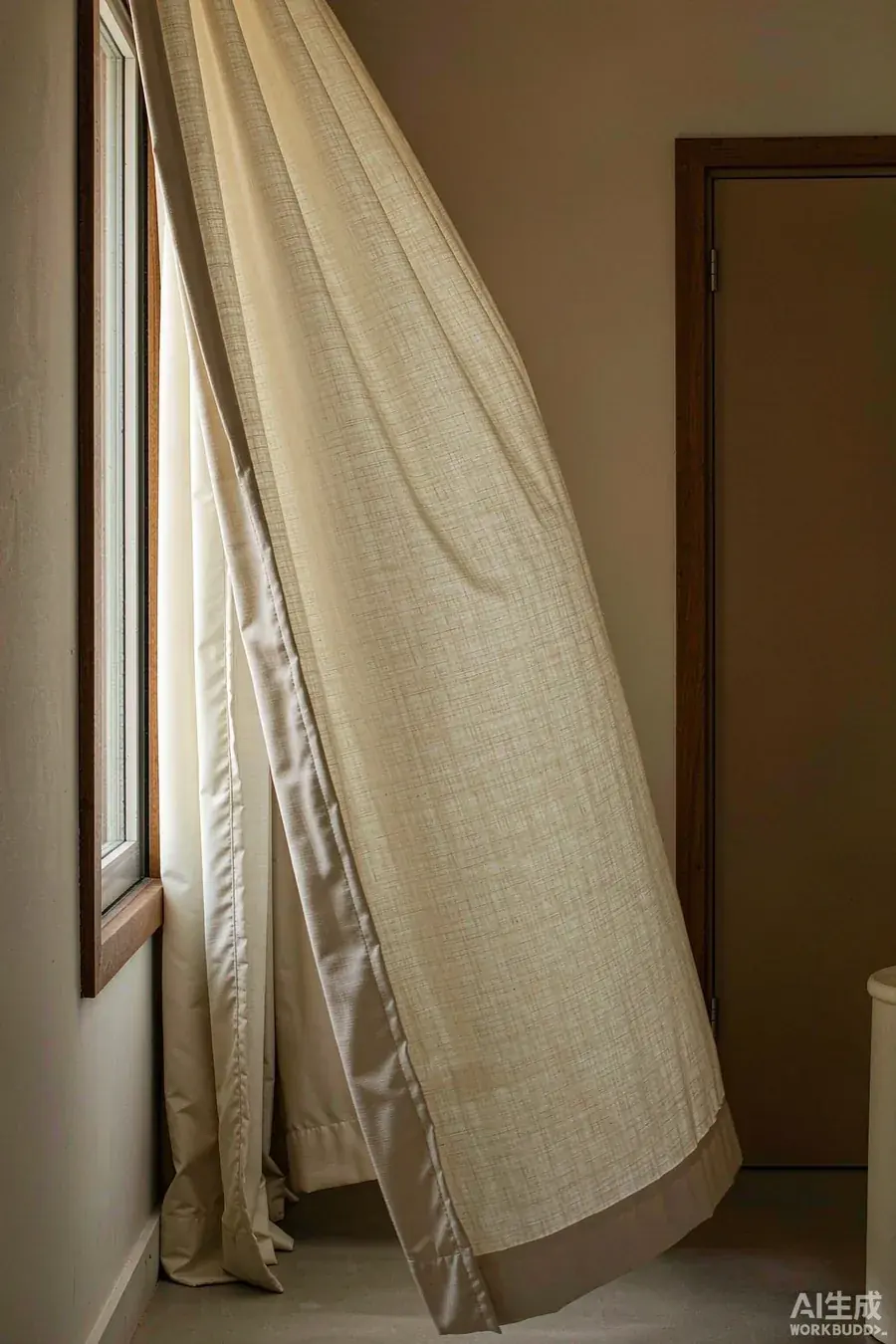
Bedding buyers think in GSM. Curtain buyers have to think in GSM, width, fullness ratio and light control at the same time, because the four interact. This is a short guide to specifying all four so the finished panels behave the way the render promised.
Drape is a function of weight and construction, not weight alone. A 150 gsm dense plain weave falls in cleaner folds than a 150 gsm loose construction, because the fabric has more body per square metre of surface. Below about 100 gsm, polyester panels start to look thin against daylight, and pleats lose definition.
| Application | Typical weight |
|---|---|
| Sheer / voile effect | 60–80 gsm |
| Retail drapery | 100–130 gsm |
| Hotel guest room | 140–180 gsm |
| Lobby / public area | 180–250 gsm |
| Blackout (base + coating) | 180–260 gsm total |
A full-height hotel panel is typically 280–320 cm long. If the fabric is 150 cm wide, the panel must be joined horizontally — and that join is the first thing a guest sees in raking light. At 280 cm wide, the same panel is cut in one piece.
For a project with 200 rooms and two panels per window, removing one horizontal join per panel removes 400 joins from the installation. That is a meaningful reduction in sewing time and in the number of visible defects.
Fullness ratio is the width of fabric used relative to the width of the window. A 2.5× ratio on a 200 cm window needs 500 cm of fabric — which is two 280 cm drops, or four 150 cm drops. Getting this wrong is the fastest way to run out of fabric mid-installation.
Calculate: (window width × fullness ratio) ÷ usable fabric width = number of drops, then round up. Add 10% for matching, cutting loss and a spare panel per floor.
Dense constructions reduce light transmission but do not block it. True blackout needs a coating or a separate lining, and the coating adds weight, which affects the heading specification. Decide the light target first — "dim the room" and "block daylight for shift workers" are different products.
Curtains are seen side by side across a corridor, so a half-shade difference between panels reads as a defect. Specify that all panels for one floor come from a single dye lot, and if the volume needs more than one lot, ask for the lots to be produced consecutively and checked against each other before packing.
Standard polyester is not inherently flame retardant. Most hotel projects specify a standard — EN 13773, NFPA 701, or a local building code — and the fabric has to be tested to it, either inherently or through a treatment. Raise this at enquiry stage; retrofitting FR to finished curtains is expensive and sometimes impossible.
We produce dense plain and twill constructions up to 280 cm for drapery programmes, dye them to a single colour standard, and can arrange coating, lining and FR finishing with our partners depending on the project requirement.
Solid-colour polyester fabric dyed on our own lines, from 65 to 150 gsm.
View rangeCurtain fabric is judged by three things the bedding buyer never worries about: how it hangs, how much light it blocks, and how it behaves when a whole wall of panels has to match.
View rangeSend the product you are working on and the numbers you are unsure about. Technical answers come from the team that runs the orders.